
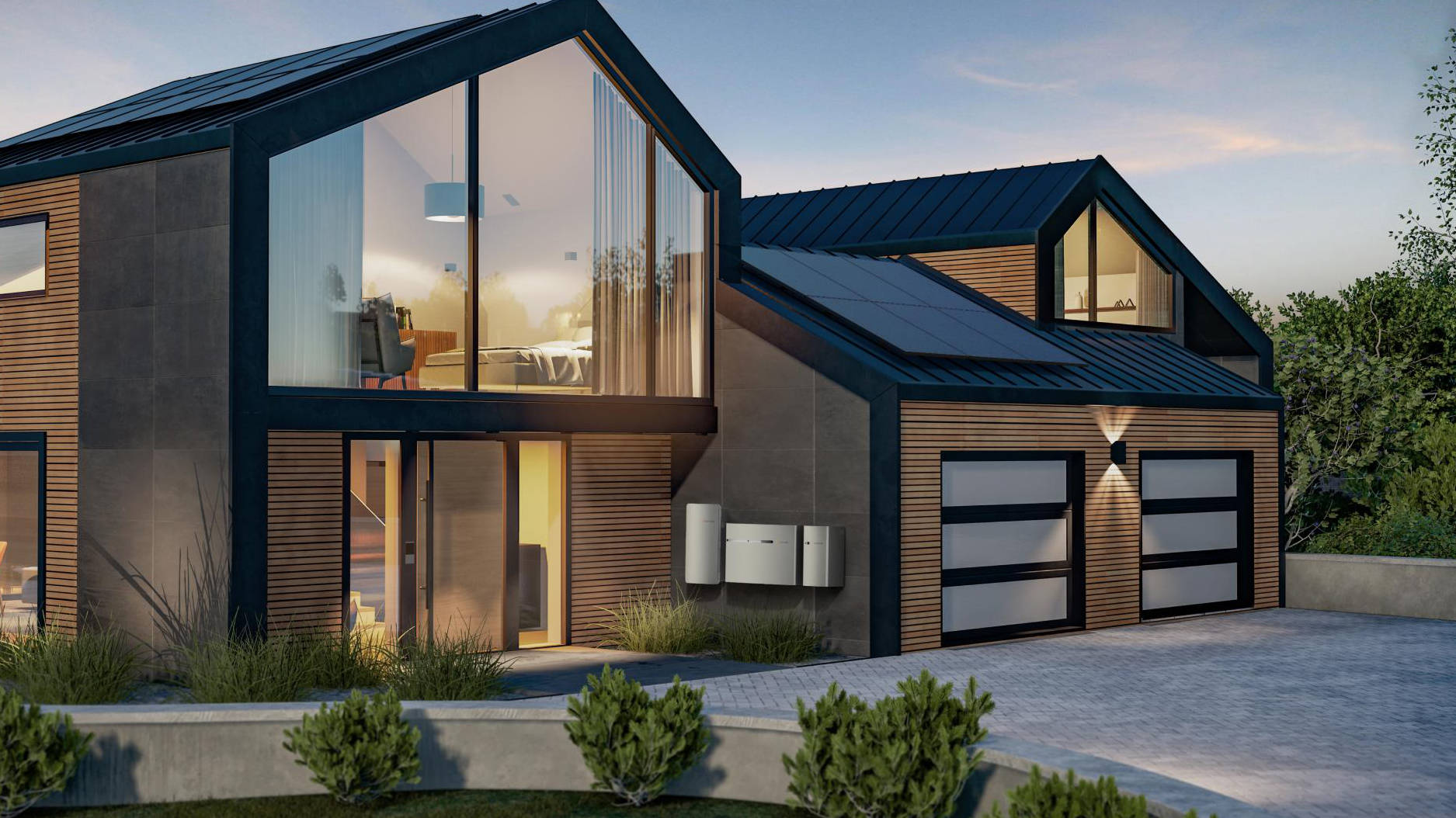
As concerns about climate change and the environment continue to grow, more and more Australians are turning to solar power as a clean and sustainable energy source. And if you’re thinking about going solar, you might be interested to know that it’s possible to achieve a 7-star energy rating for your home. In this post, we’ll discuss what that entails and what you can do to achieve it.
What is a 7-star energy rating?
An energy rating is a score that measures how energy-efficient a building is. It takes into account a range of factors, including insulation, orientation, and the types of appliances and systems used within the building. A 7-star rating is the highest possible rating a building can achieve, indicating that it is highly energy-efficient and sustainable.
So, what do you need to do to achieve a 7-star energy rating for your home? Here are some key requirements to consider:
1. Orientation
The orientation of your home is a crucial factor in achieving a high energy rating. Ideally, your home should be designed to take advantage of the sun’s natural warmth and light. This means positioning your living spaces and windows to face north, where they can absorb the maximum amount of sunlight. In addition, shading should be provided on the east and west-facing windows to reduce heat gain in summer.
2. Insulation
Effective insulation is essential for a highly energy-efficient home. Insulation helps to keep your home warm in winter and cool in summer, reducing the need for heating and cooling systems. The amount and type of insulation you need will depend on the climate zone you’re in and the type of construction of your home.
3. Windows
Windows can be a significant source of heat gain and loss in a home. To achieve a 7-star energy rating, it’s important to choose energy-efficient windows that are well insulated and double-glazed. These types of windows help to keep your home warm in winter and cool in summer, reducing your energy bills and improving your comfort levels.
4. Lighting
Lighting is another factor that can affect your home’s energy efficiency. To achieve a 7-star energy rating, you should choose energy-efficient light fittings and bulbs. This will help to reduce your energy consumption and save you money on your electricity bills.
5. Heating and cooling
Heating and cooling systems are a significant source of energy consumption in most homes. To achieve a 7-star energy rating, you should choose energy-efficient heating and cooling systems that are the right size for your home. It’s also important to ensure that these systems are properly installed and maintained to ensure optimal performance.
6. Appliances
Energy-efficient appliances can make a significant difference to your home’s energy consumption. When choosing appliances such as fridges, washing machines, and dishwashers, look for those with high energy star ratings. This will help to reduce your energy bills and your impact on the environment.
7. Solar power
Finally, installing a solar power system is one of the best ways to achieve a high energy rating for your home. Solar power is a clean and sustainable energy source that can significantly reduce your reliance on grid electricity. To achieve a 7-star energy rating, you should install a solar power system that is the right size for your home and meets your energy needs.
In addition to these requirements, there are some other factors to consider when designing and building a highly energy-efficient home. These include:
- Choosing low-VOC paints and finishes to improve indoor air quality
- Installing water-efficient fittings and fixtures to reduce water consumption
- Using sustainable building materials that are renewable and have a low environmental impact
In conclusion, achieving a 7-star energy rating for your home requires careful consideration of a range of factors, from orientation and insulation to appliances and solar power.