
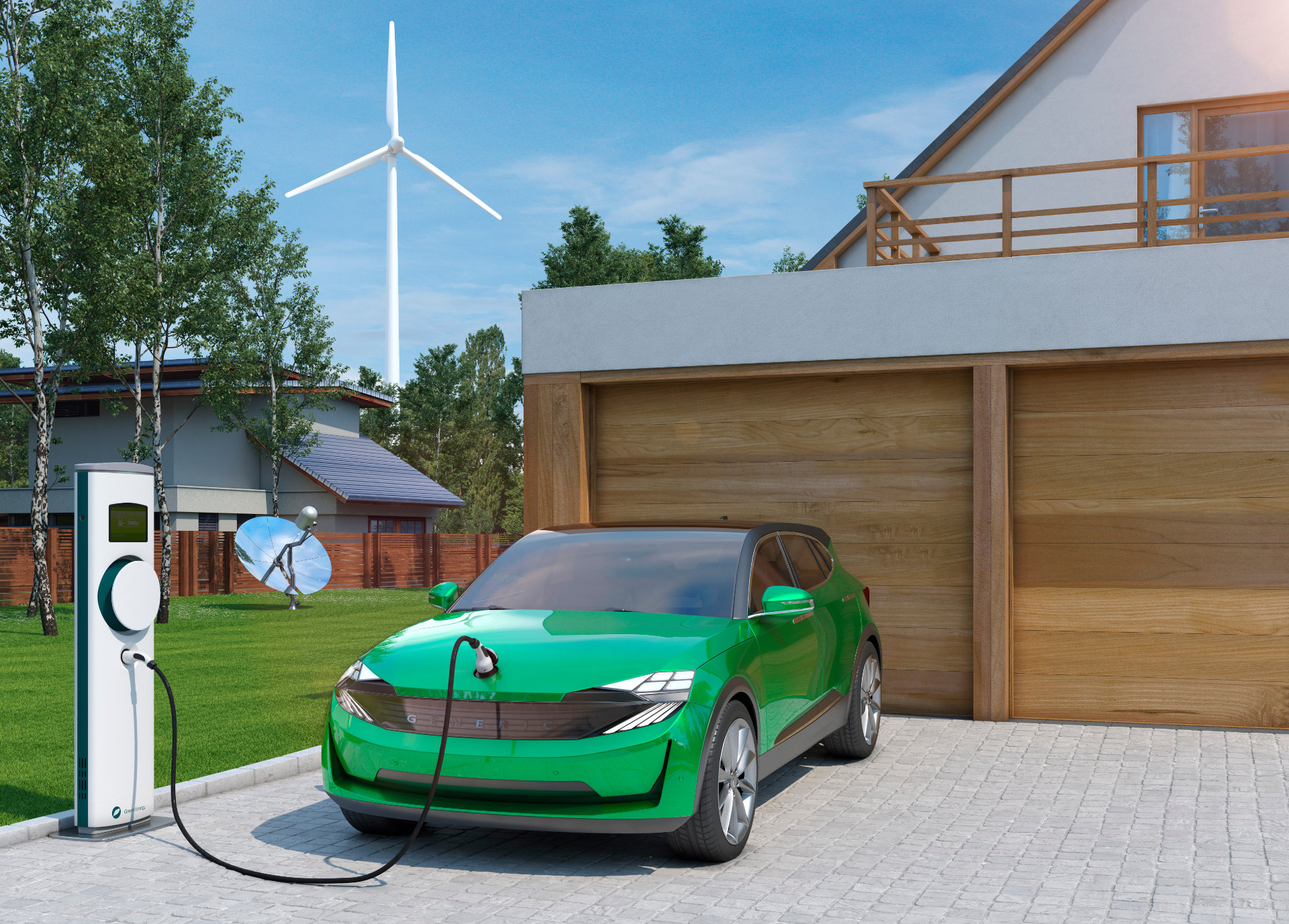
As the world transitions to cleaner and more sustainable energy sources, electric vehicles (EVs) have become increasingly popular. EVs offer a promising solution to reducing greenhouse gas emissions and improving air quality in urban areas. However, the integration of EVs with home energy management systems (HEMS) is still a relatively new concept. In this article, we will explore how EVs and their batteries integrate with HEMS, and the potential benefits of this integration for sustainable living.
HEMS are systems that allow homeowners to monitor and manage their energy consumption. They typically include devices such as smart meters, home automation systems, and energy storage systems. The integration of EVs into HEMS involves using the EV battery as a source of energy storage for the home. This means that when the EV is parked at home and not in use, its battery can be used to power the home, reducing the need for electricity from the grid.
One of the primary benefits of integrating EVs with HEMS is the potential for cost savings. By using the EV battery as a source of energy storage, homeowners can reduce their reliance on electricity from the grid during peak hours when electricity prices are highest. This can help to lower overall electricity costs and save money on energy bills.
Another benefit of integrating EVs with HEMS is the potential for increased energy efficiency. By storing excess energy generated by solar panels or wind turbines in the EV battery, homeowners can use this energy to power their home when electricity from the grid is more expensive. This can help to reduce overall energy consumption and make homes more energy efficient.
In addition to cost savings and increased energy efficiency, integrating EVs with HEMS can also help to reduce greenhouse gas emissions. By using the EV battery as a source of energy storage, homeowners can reduce their reliance on fossil fuels and promote the use of clean, renewable energy sources.
However, there are also some challenges to integrating EVs with HEMS. One of the main challenges is the need for compatible hardware and software. EVs and HEMS often use different communication protocols, which can make it difficult to integrate them effectively. Additionally, there may be issues with battery degradation if the EV battery is used too frequently for home energy storage.
Despite these challenges, the integration of EVs with HEMS holds great potential for sustainable living. By reducing energy costs, increasing energy efficiency, and promoting the use of clean energy sources, this integration can help to create a more sustainable future for all.
In conclusion, the integration of EVs with HEMS represents a promising new frontier in sustainable living. By using the EV battery as a source of energy storage for the home, homeowners can reduce energy costs, increase energy efficiency, and promote the use of clean, renewable energy sources. While there are some challenges to overcome, the potential benefits of this integration are significant, and it is likely to become increasingly popular in the years to come.