
HOME ENERGY MANAGEMENT SOLUTIONS
Solar panels
Every HEMS start with PV solar panels, also called modules, solar panels are made up of many solar cells, which turn the suns energy into direct current (DC) electricity. There’s a wide range of solar panels that come in a variety of brands, prices, colour, sizes and material. We will always recommend the best quality panels suitable for your type and size of roof, and the system you would like to use.
Learn Morehems components
Inverters
A solar inverter converts DC power from the solar panels to AC power that is compatible with a home. The inverter is the working part of the system, making it critical to the performance & reliability of your system as it is the component most likely to break. Currently there are two types of inverters, String Inverters and Micro Inverters.
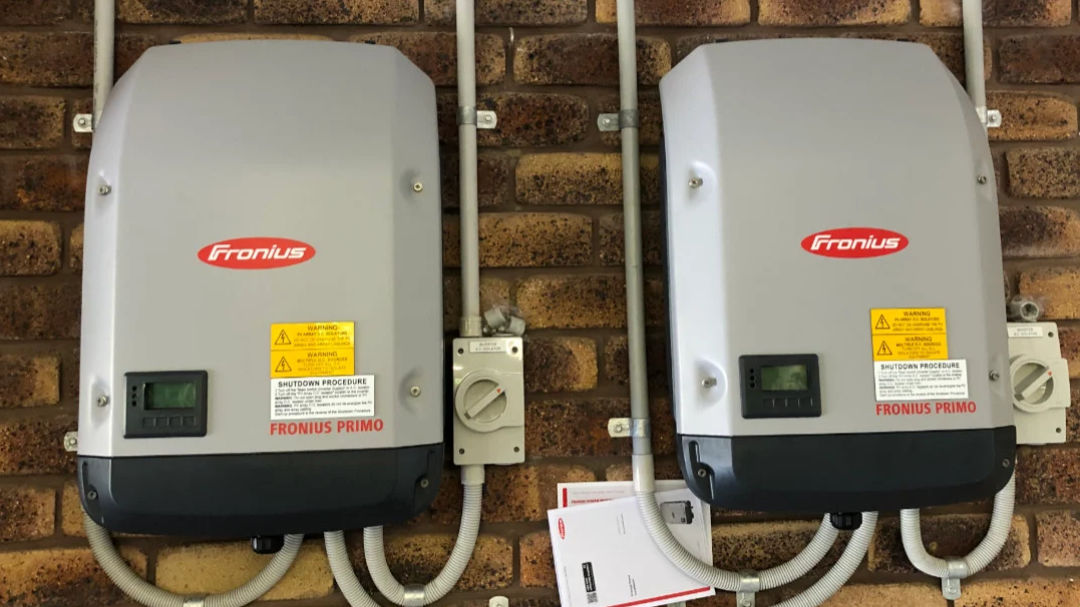
String Inverters
Buyers preferences are shifting due to an increase in environmental awareness and escalating living costs, leading to a greater consideration for more sustainable homes. Australian sellers are responding to this by increasing the use of energy efficient keywords when looking for a home, such as solar panels, eco home, insulation, in property listing, across both, houses and units.
Micro Inverters
Micro inverters perform the same basic function as string inverters, except they are installed underneath each solar panel on your roof. Each of these micro inverters is about the size of an internet router or smaller. The big difference between micro inverters and string inverters is that a solar panel installation with micro inverters will typically have the same number of micro inverters as there are solar panels. The main benefit of this is that each panel outputs power independently from the rest of the array. It is this technology that has completely revolutionised the solar industry and what we recommend you use.
Learn More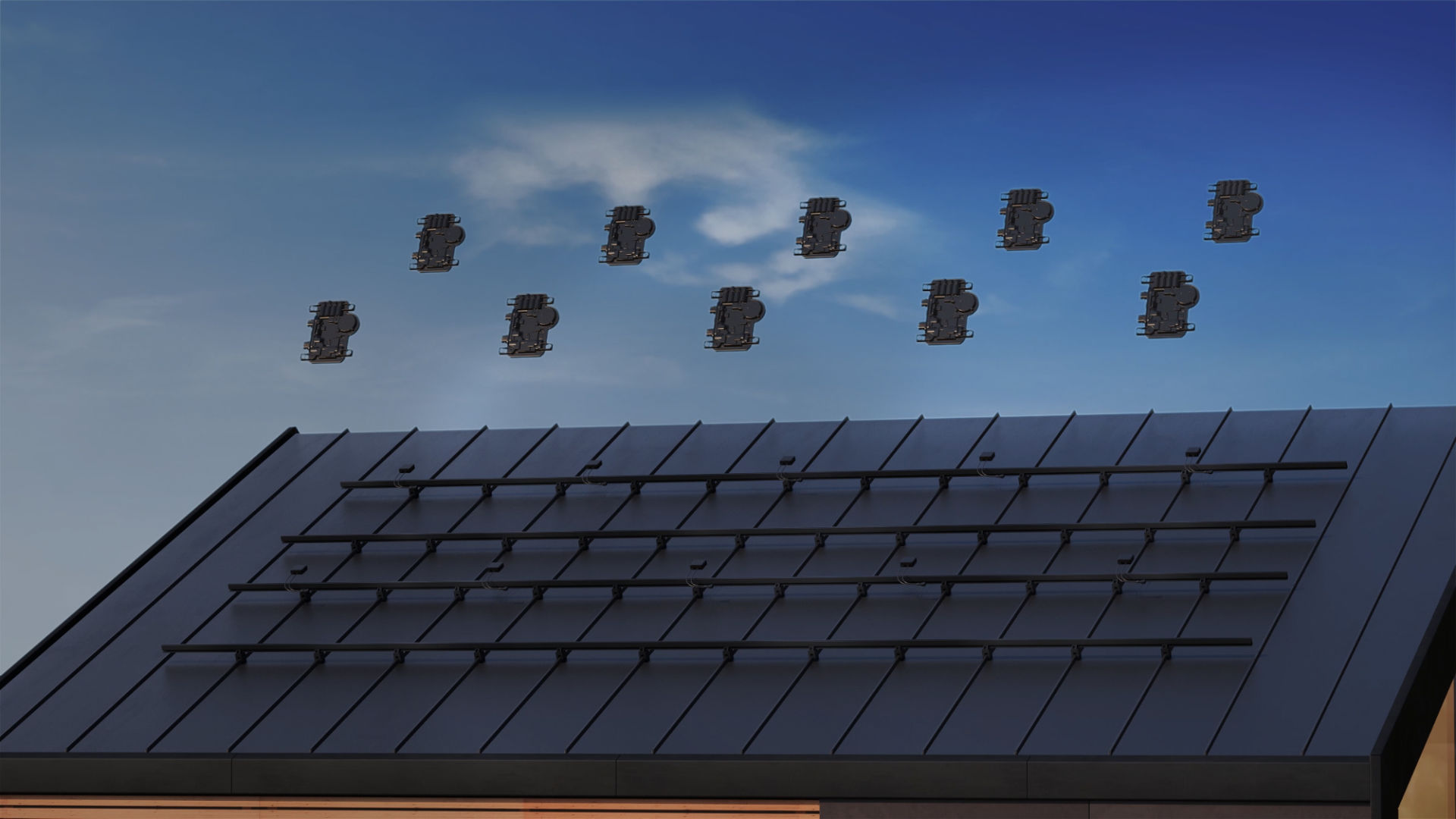
Energy storage system
The third component of HEMS are solar batteries. Solar batteries have the capacity to store the extra solar energy your panels produce that you don’t immediately use, so you can draw from it later. Solar panels produce the most electricity during the middle of the day, which is usually the time when households consume the least amount of electricity. With a regular grid-tied solar system, the excess solar energy gets sent back to the grid. When solar panels are paired with a home battery, that excess electricity is sent to the battery instead of going to the grid. Then when the sun goes down, and the panels are not producing electricity anymore, you can use the energy from your battery, instead of paying for electricity from the utility.
Smart meter
A smart meter (also known as an advanced meter or ‘type 4’ meter) is a device that digitally measures your energy use. A smart meter measures when and how much electricity is used at your premises. It sends this information back to your energy retailer remotely, without your meter needing to be manually read by a meter reader. Smart meters can also do other things remotely, like allow the electricity supply to be remotely switched on and off without the need for a field technician, measure the power quality at your premises and notify your electricity distributor when the power goes out.
Solar hot water
A solar water heater uses energy from the sun to heat water for your home. Solar panels on your roof collect the energy from the sun’s rays to heat water, which flows to a storage tank, ready to use. There are many different types and configurations of solar water heaters available. It is important to select the type that is most suitable to your family size, climate, house type, roof characteristics, water quality, available space and aesthetic preferences.
Electric Vehicles
One of the main components of HEMS will be electric vehicles. EV are gaining momentum in Australia and according to some studies they will be soon the preferred option for new car owners. EV uses electric motors powered by a battery pack, to accelerate and drive. There are currently four main types of EVs:
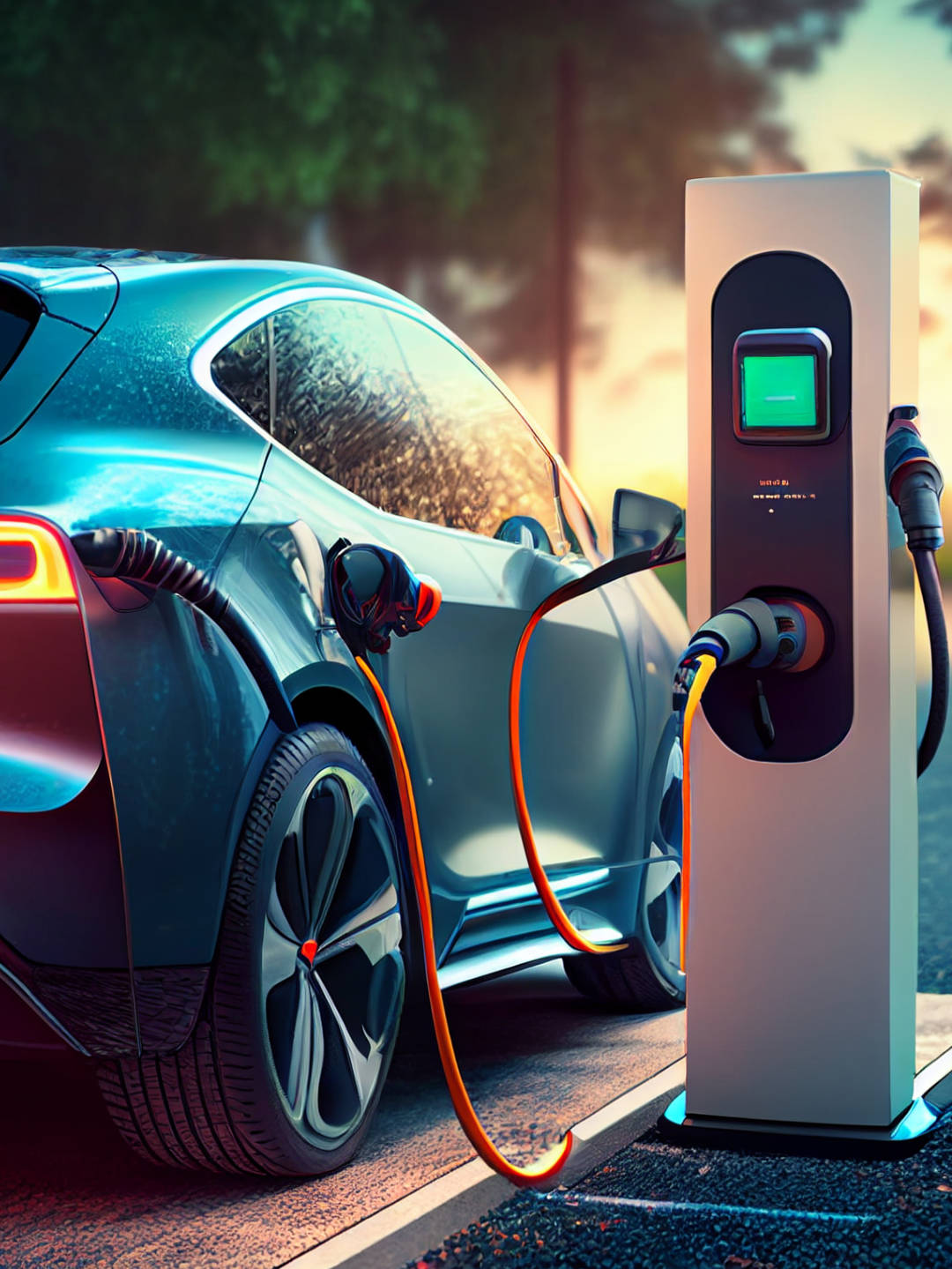
Battery electric vehicles (BEVs)
Fully-electric, meaning they are solely powered by electricity and do not have a petrol, diesel or LPG engine, fuel tank or exhaust pipe. BEVs are also known as ‘plug-in’ EVs as they use an external electrical charging outlet to charge the battery.z
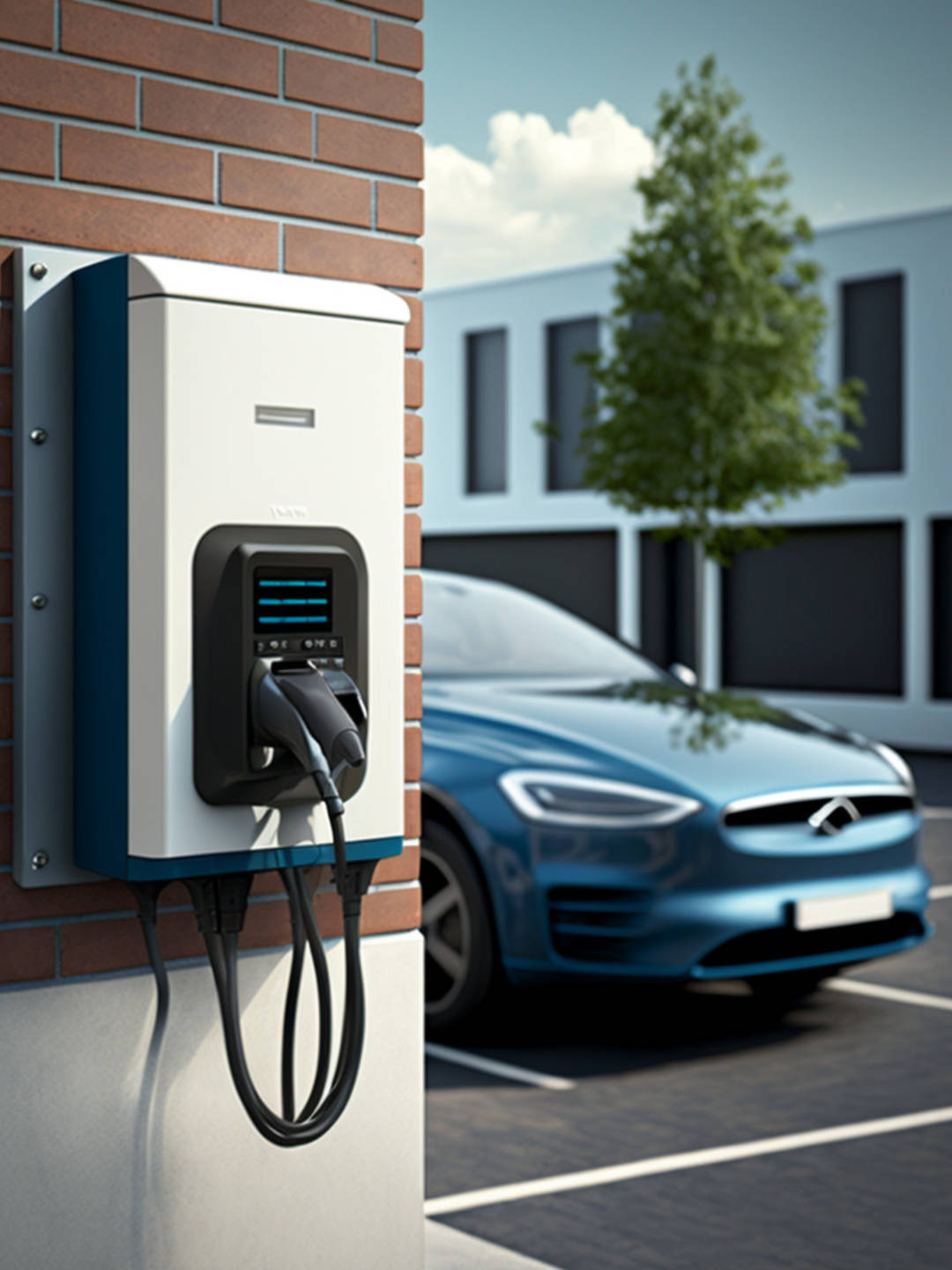
Plug-in hybrid electric vehicles (PHEVs)
These vehicles are powered by a combination of liquid fuel and electricity. They can be charged with electricity using a plug but also contain an internal combustion engine that uses liquid fuel.
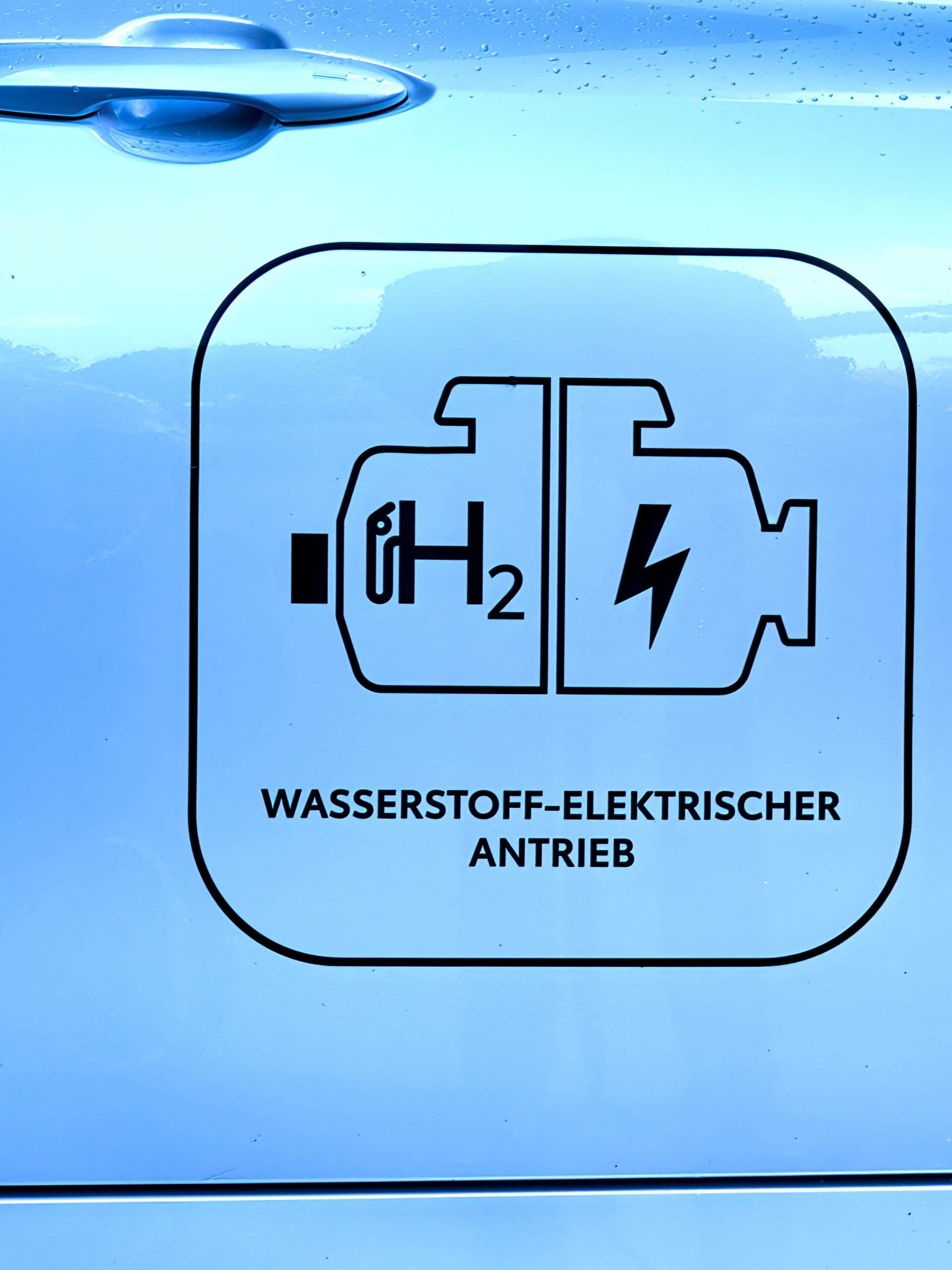
Fuel cell electric vehicles (FCEVs)
Fuel cell electric vehicles use a fuel cell instead of a battery, or in combination with a battery or super-capacitor, to power their electric motors. FCEVs are typically fuelled by hydrogen and usually provide greater range than BEVs
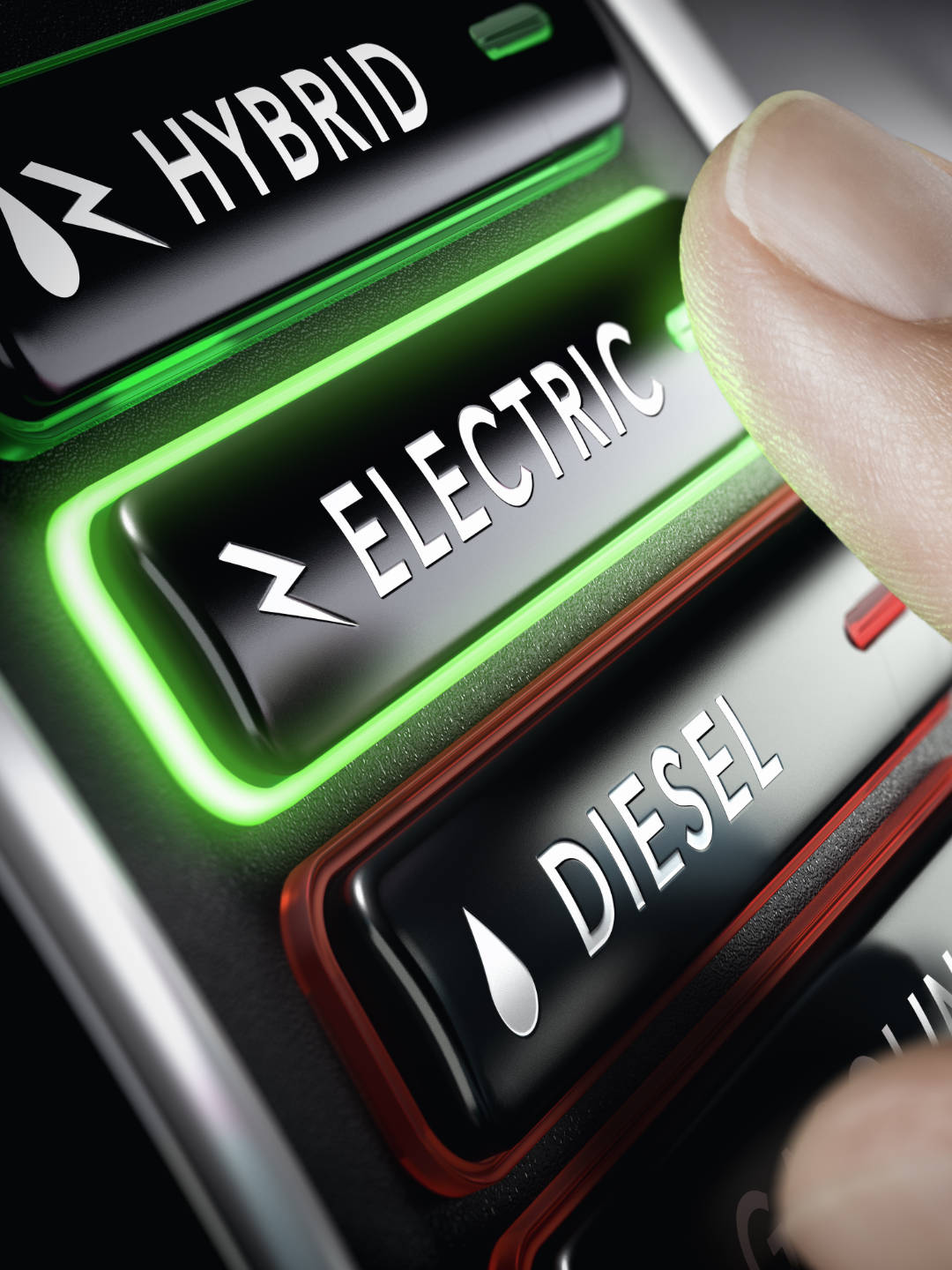
Non-plug-in hybrid EVs (HEVs)
Instead of using an external plug to charge the vehicle, the electricity generated by the HEV’s braking system is used to recharge the battery. This is called ‘regenerative braking’ and is also used in BEVs, PHEVs and FCEVs.
hems components
Smart appliances
Smart appliances are appliances capable to connect wirelessly and sensors that allow remote control or autonomous operation through user input, scheduling, or artificial intelligence and machine learning.
Sensors combines with wireless connectivity can provide the end user with information about the appliances usage, temperature, service life, maintenance schedules, or operation anomalies. Smart appliances enable users to connect, control, and monitor their appliances allowing them to save time, energy, and money.
Power Your Home with the Latest Solar Technology:
A 10 Step Guide to achieving energy self-sufficiency
Ready to take control of your energy costs and make a positive impact on the environment? Find out how Home Energy Management Solutions are the answer. Cutting-edge technology allows you to generate zero-cost energy from the sun and achieve a 7-star energy rating.
Download our ten-step guide to energy self-sufficiency now and start enjoying the full amenity of your home while saving money and the planet!
Energy Audit
The Solar Power Plant
Solar Hot Water
Efficient Appliances
Home Automation
Government help
"*" indicates required fields